

The Architecture of Participation
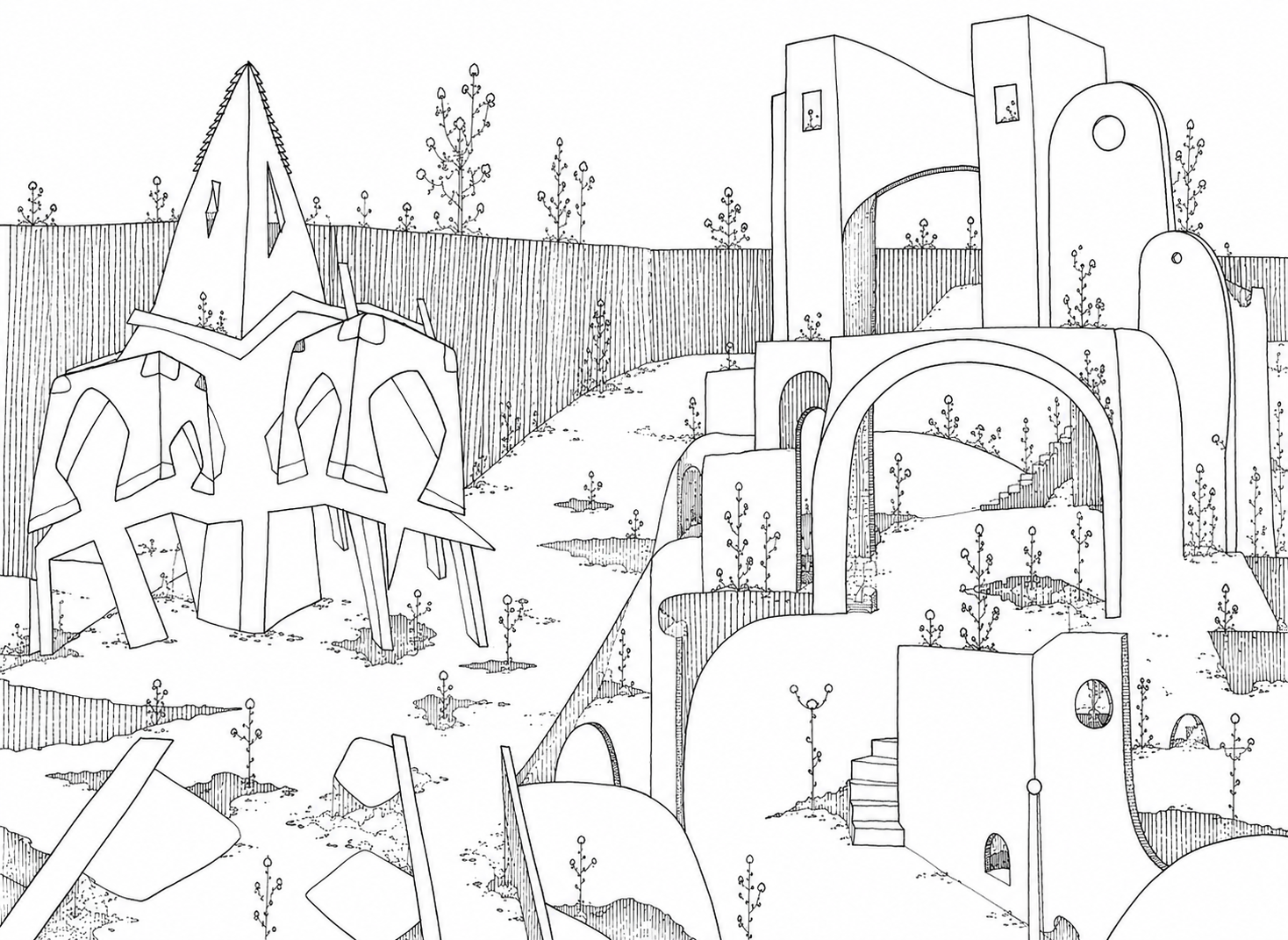
A living building does not resist change. It organizes it.
This is where ornament becomes essential. Ornament is often dismissed as symbolic or decorative, something applied after the important decisions have already been made. But ornament can also be understood as a system of relationships. It gives form to variation. It creates coherence without sameness. It allows parts to differ while remaining connected to a larger whole.
Artificial intelligence extends this possibility. Used well, AI is not a machine that invents architecture. It is another participant in the design process. It can generate alternatives, reveal hidden patterns, and challenge assumptions, but it cannot determine what is meaningful. Meaning arises through judgment and the accumulation of relationships across scales.
The architect’s role is shifting. Rather than composing every detail directly, we increasingly design the conditions from which form can emerge. The work becomes less about control and more about cultivation.
This is the future that interests me. Buildings that invite completion instead of demanding perfection. Ornament that records relationships instead of masking construction. Technology that amplifies craft instead of replacing it. Architecture that remains open enough to continue growing long after the architect has left the site.
A building should not end at completion. It should begin there.